
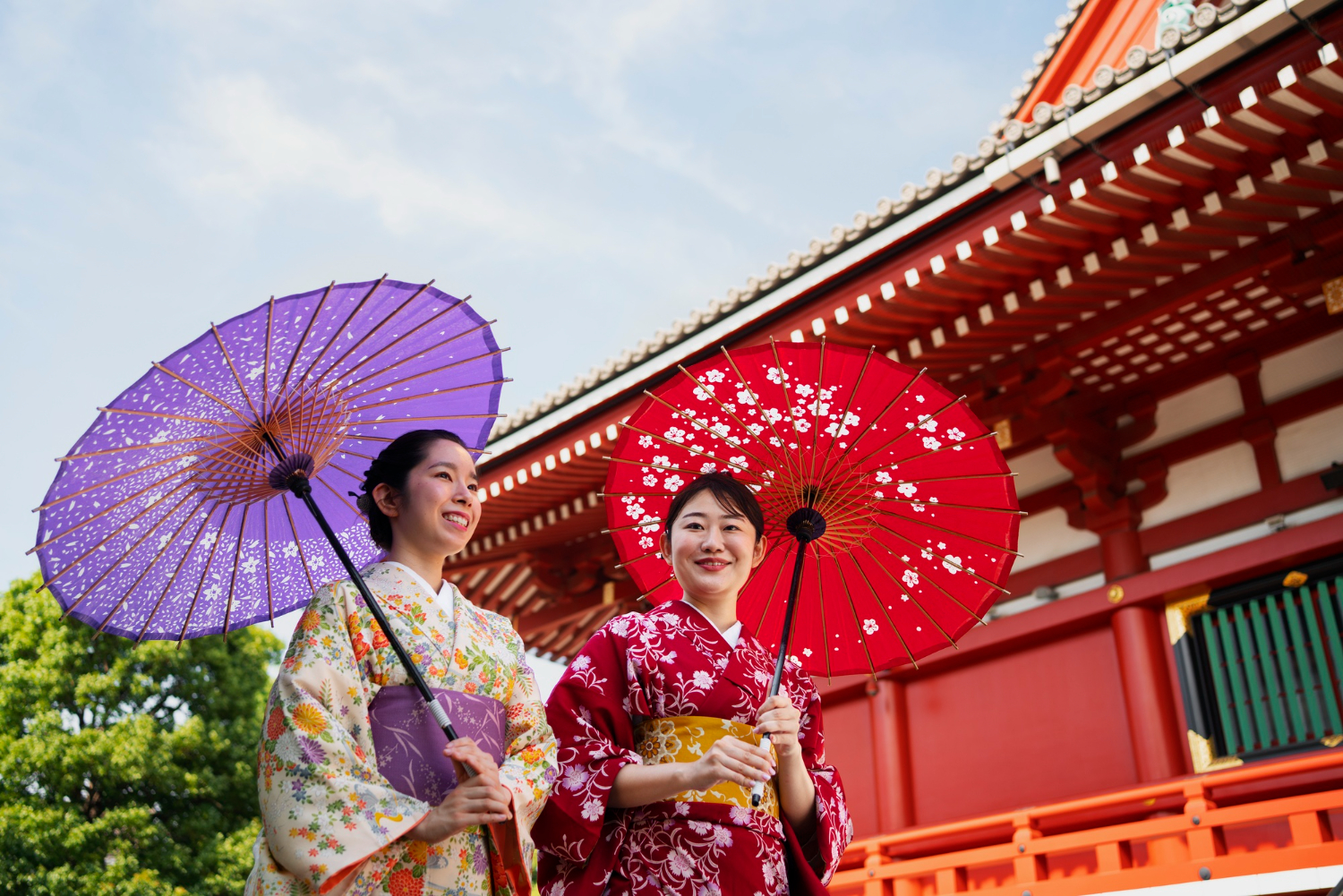
Tokyo presents a fascinating cultural landscape where long-standing traditions coexist with a rapidly evolving modern lifestyle. This balance is visible in everyday life, from historic practices preserved over centuries to contemporary influences shaping how people live, work, and interact. The city’s cultural depth offers visitors a meaningful way to experience both heritage and innovation in one place.
Traditional practices remain an important part of Tokyo’s identity. Rituals such as tea ceremonies, seasonal celebrations, and visits to shrines continue to play a role in daily life. These customs reflect values of respect, harmony, and mindfulness, offering insight into the cultural foundations that have shaped Japanese society. Even in a busy urban setting, moments of tradition are carefully preserved and respected.
Art and craftsmanship are also central to Tokyo’s cultural expression. From traditional crafts like calligraphy and textile design to contemporary art installations, creativity is deeply embedded in the city. Museums, galleries, and local workshops showcase a wide range of artistic styles, highlighting both historical techniques and modern interpretations. This blend of old and new keeps the cultural scene vibrant and continuously evolving.
Food culture provides another window into Tokyo’s traditions. Many dishes are prepared using methods passed down through generations, emphasizing balance, presentation, and seasonal ingredients. Dining is often viewed as an experience rather than just a necessity, with attention to detail and respect for ingredients playing a significant role. This approach reflects broader cultural values centered on care and appreciation.
Seasonal events and festivals bring communities together, celebrating nature, history, and local customs. These occasions create opportunities for both residents and visitors to engage with cultural practices in an interactive way. Whether it is observing traditional performances or participating in local celebrations, these events offer a deeper connection to the city’s heritage.
Despite its strong connection to tradition, Tokyo continues to embrace modern influences. Fashion, technology, and global trends are integrated into daily life, creating a unique cultural blend that is both rooted and forward-looking. This coexistence allows the city to maintain its identity while adapting to changing times.
In conclusion, Tokyo’s cultural richness lies in its ability to harmonize tradition with modern living. This dynamic balance creates a unique environment where history is preserved while innovation continues to shape the future, offering a deeply engaging experience for anyone seeking to understand the city’s true essence.